

Short Madagascar Safari
Discover a wildlife-rich journey in a short span. Explore Andasibe National Park, Mantadia Reserve, and Anjajavy for unique wildlife encounters.
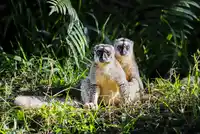
From $6,000 per personMadagascar is a destination like no other and has even been named the ‘8th continent’ for its enchanting beauty and resplendent breadth of diversity. The only place in the world where you can see lemurs in the wild, Madagascar is home to a unique plethora of endemic wildlife found nowhere else on Earth. Boggle-eyed chameleons, dancing lemurs, and leaf-tailed geckos are just the start. With over 100 species of lemur, 300 bird species, and a dazzling variety of reptiles and amphibians, Madagascar is a dream for nature lovers and wildlife photographers alike


Our Founder & CEO, Will Bolsover, spent many years guiding in Madagascar, while several other members of the team have also now spent extended periods of time in the depths of the country. We have an in-depth knowledge and passion for this fantastic country, having several contacts and personal friends in-country who we can rely on day in day out. Our focus is wildlife, including up-close and personal encounters.
A Madagascar holiday is still very good value for money, especially when you compare it to mainland Africa. For a 7-day safari in Madagascar, we recommend a starting price of $8,000 per person. If you are looking to stay in some of Madagascar’s most iconic and best loved lodges, you’ll need to increase the budget to to include private light aircraft and helicopter flights, intimate lemur encounters and private guides.
The best time to visit Madagascar is from April to October. This dry season brings fewer rain showers, meaning optimal conditions for seeking out wildlife, hiking and enjoying the beach. Whilst Madagascar holidays can be enjoyed year-round, the principal wet season is from late December through to the month of March; often involving cyclones and is probably best avoided!
From remote camping in undiscovered parks, to luxury beach hideaways and jungle lodges, Madagascar now has a great selection of truly diverse places to stay. If you are looking for primary rainforest, tropical coastlines, and truly wild lemurs, then look no further than Masoala Forest Lodge. A family run property owned by Pierre and Maria every guest is made to feel at home in thatched tented bandas overlooking the beach. For a luxury beach retreat, escape to the private island destination of Miavana with stunning villas and ocean views. Discover our top 10 Luxury Lodges in Madagacar.

Madagascar is a trekking paradise, offering a diverse range of landscapes from lush rainforests to dramatic rock formations. Whether you’re an experienced hiker or a nature lover, the island's national parks promise unforgettable experiences.

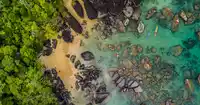
Madagascar is situated in the Indian Ocean off the southeast coast of Africa and is a fantastic destination for a honeymoon for adventurous couples looking for something a little different. From the weird and wonderful endemic wildlife to a stunning coastline and tiny islands, there is plenty to see and explore.

Nature's Great Events
Trekking the arid lands of southern Madagascar, working your way around dry forest and bush, and past bizarre sandstone formations; you spot what you are looking for - arguably the most captivating and iconic of all the lemurs in Madagascar, the ringtail.
Excellent and prompt communication. Tailored the trip to our needs. Great guides and wildlife enclunters. Guides accommodating guests needs. Wonderful choice of accommodation.
We were thrilled to be staying in luxurious accommodation while enjoying lots of birds, primates (lemurs), & reptiles in close proximity… so we got exactly what we asked for! We think NWS has nailed the absolute best places to stay in order to enjoy a good holiday AND the local wildlife, together with excellent guides who are local and well-informed. Both Anjajavy in Madagascar and Playa Cativo in Costa Rica surpassed our expectations in all respects.
The trip was customized perfectly for us and provided a great introduction to very diverse parts of the country including rain forest, dry forest, and coastal luxury.
Overall, the trip was truly fabulous. Madagascar is a magical place.
My son and I had a wonderful trip to Madagascar with Natural World Safaris. It was very well organised and the guides were great. Highly recommended
The folks at Natural World helped us put together a bucket list trip to Madagascar with amazing local guides and outstanding accommodations. Highly recommend!
We had the most amazing experience of our lives. Madagascar played a big role in this, as it’s an incredible country with equally incredible people who have a culture very different from ours. Every moment you spend on the island stays in your heart, whether you’re on land or underwater. It’s a beautiful place, and it will all remain unforgettable.
On the other hand, the company helped us organize a flawless trip, even though it could have been full of challenges. It was a 25-day journey with numerous hotels, transfers, private flights, and luggage shipments. There were many things that could have gone wrong. Instead, thanks to the company’s organization, everything went perfectly. There were no issues whatsoever, and the planning was impeccable.
It was a perfect trip. Our honeymoon was truly unforgettable.
Malaria risk exists in many regions; consult a travel clinic for prophylaxis. Routine vaccines should be up to date; Hepatitis A and typhoid are commonly recommended. Carry a good insect repellent and long sleeves for dusk.
Yes, for travellers comfortable with rustic logistics. Roads can be slow, but guiding standards are strong and wildlife encounters are exceptional. Choose a paced itinerary with internal flights to reduce overland time.
Top lemur hotspots include Andasibe–Mantadia (indri), Ranomafana (golden bamboo lemur), Anja Reserve (ring-tailed lemur), and Kirindy (fossa sightings too). Combining eastern rainforests with the RN7 route maximises variety.
Highlights include the Avenue of the Baobabs, the limestone pinnacles of Tsingy de Bemaraha, Isalo’s canyons, and Nosy Be’s beaches and reefs. Combining rainforest and dry regions delivers the best contrast.
Madagascar is generally safe on guided itineraries. Use reputable transfers, avoid night driving, and follow local guidance in markets and towns. In parks, stay with guides on marked trails.
At present, tourist visas are required by all nationalities entering Madagascar. These can be gained upon arrival in Antananarivo, however we do recommend you look into obtaining it in advance. Visas for Madagascar are approximately EUR35 per person, to be organised on arrival at the airport, but things change regularly so contact your local Embassy for more details. Obtaining the correct visa is your responsibility.
Embassy Contact Details
Park fees and lodge partnerships fund habitat protection and community projects. Responsible operators support reforestation and lemur research, ensuring travel dollars help protect Madagascar’s endemic species.
Most visitors fly into Antananarivo, then use a mix of road transfers and domestic flights. Internal flights save time between distant regions; a private 4×4 with driver‑guide is best for RN7 routes.
The best time to visit Madagascar for wildlife is April to December, with peak lemur activity and dry trails from June to October. November–December brings baby lemurs and lush forests; January–March is cyclone season and best avoided for most routes.
Wildlife Specialists
Wildlife remains our primary focus and we ensure accommodation is carefully selected as the very best places to stay for front-row wildlife spectacles for the time of the year you are travelling. Hear the Indri before you see them and wake up to their songs of communication in the early hours of the morning with the mist still hugging the rainforest canopy.

Wealth of Experience
NWS started as World Primate Safaris more than a decade ago. There is no better team to take you to discover the unique primates of Madagascar. We maintain close relationships with our partners on the ground; our dedicated naturalist guide has hosted research groups, film crews and dignitaries; his knowledge is encyclopedic.
Tailored Safaris
Share your interests with our Destination Specialists and we will match you to the in-country experts, providing you with nothing but the best access and highly experienced wildlife trackers and guides. Safari are meticulously planned to be seamless in terms of quality and service, with private transfers available throughout.
