Wild Westfjords
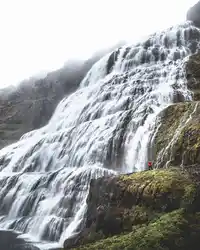
Iceland’s Westfjords are one of the country’s most remote and least-visited regions, defined by vast fjords, towering sea cliffs and a powerful sense of isolation
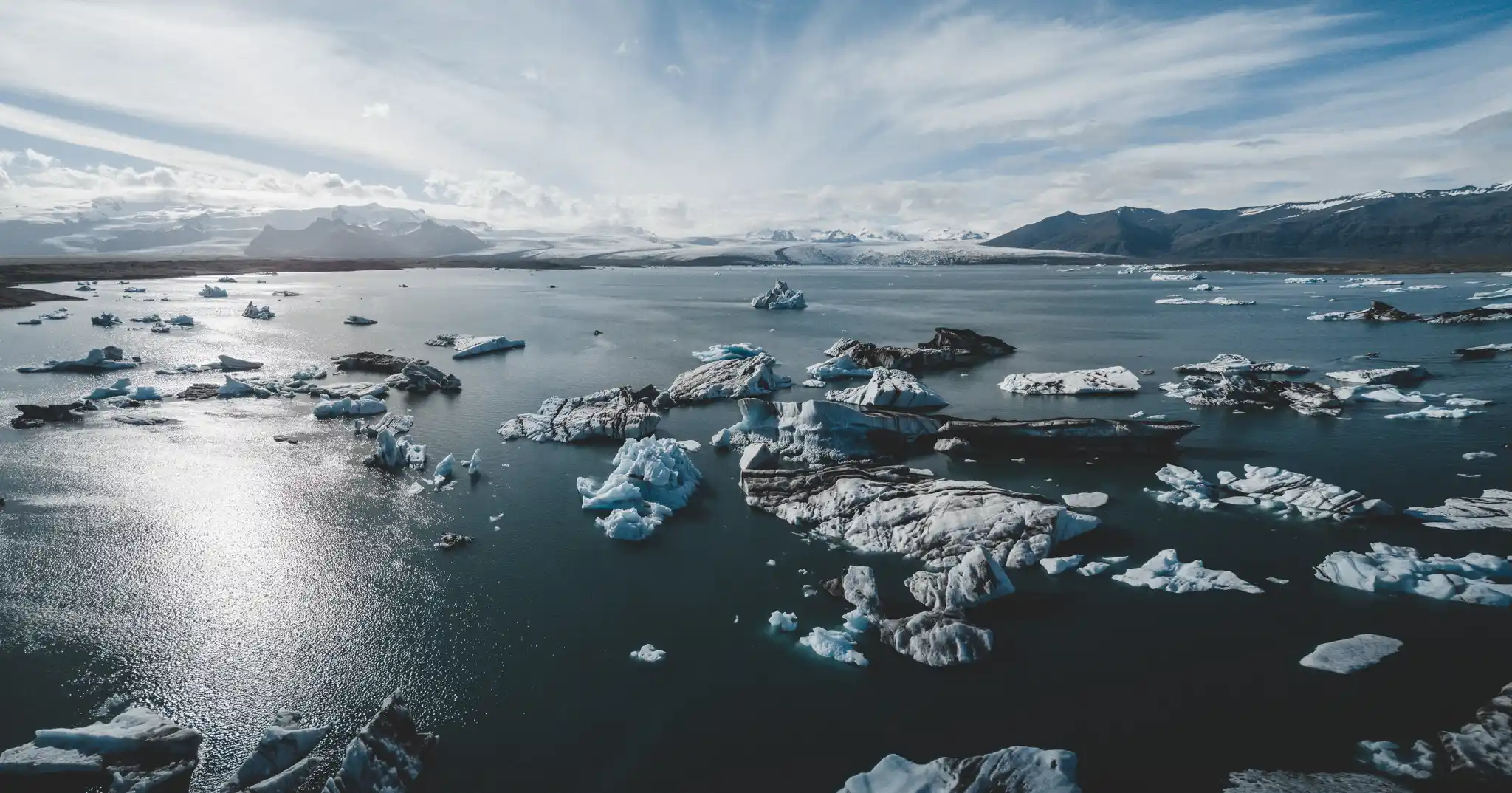
Iceland is a land of elemental power — shaped by glaciers, volcanoes, waterfalls and vast open spaces. Sitting just below the Arctic Circle, it offers some of the most dramatic landscapes in Europe, where raw nature dictates both the rhythm of life and the best times to explore.
Iceland offers year-round adventure shaped by glaciers, volcanoes, fjords and dramatic coastlines. Summer brings the Midnight Sun, nesting seabirds, whales and seals, alongside access to remote highlands and scenic self-drive routes, while winter reveals ice caves, frozen landscapes and prime Northern Lights conditions. Whether exploring by 4×4, travelling the Westfjords, or joining guided winter expeditions, Iceland is defined by immersive landscapes and seasonal adventure rather than mass wildlife encounters.
Iceland’s Westfjords are one of the country’s most remote and least-visited regions, defined by vast fjords, towering sea cliffs and a powerful sense of isolation
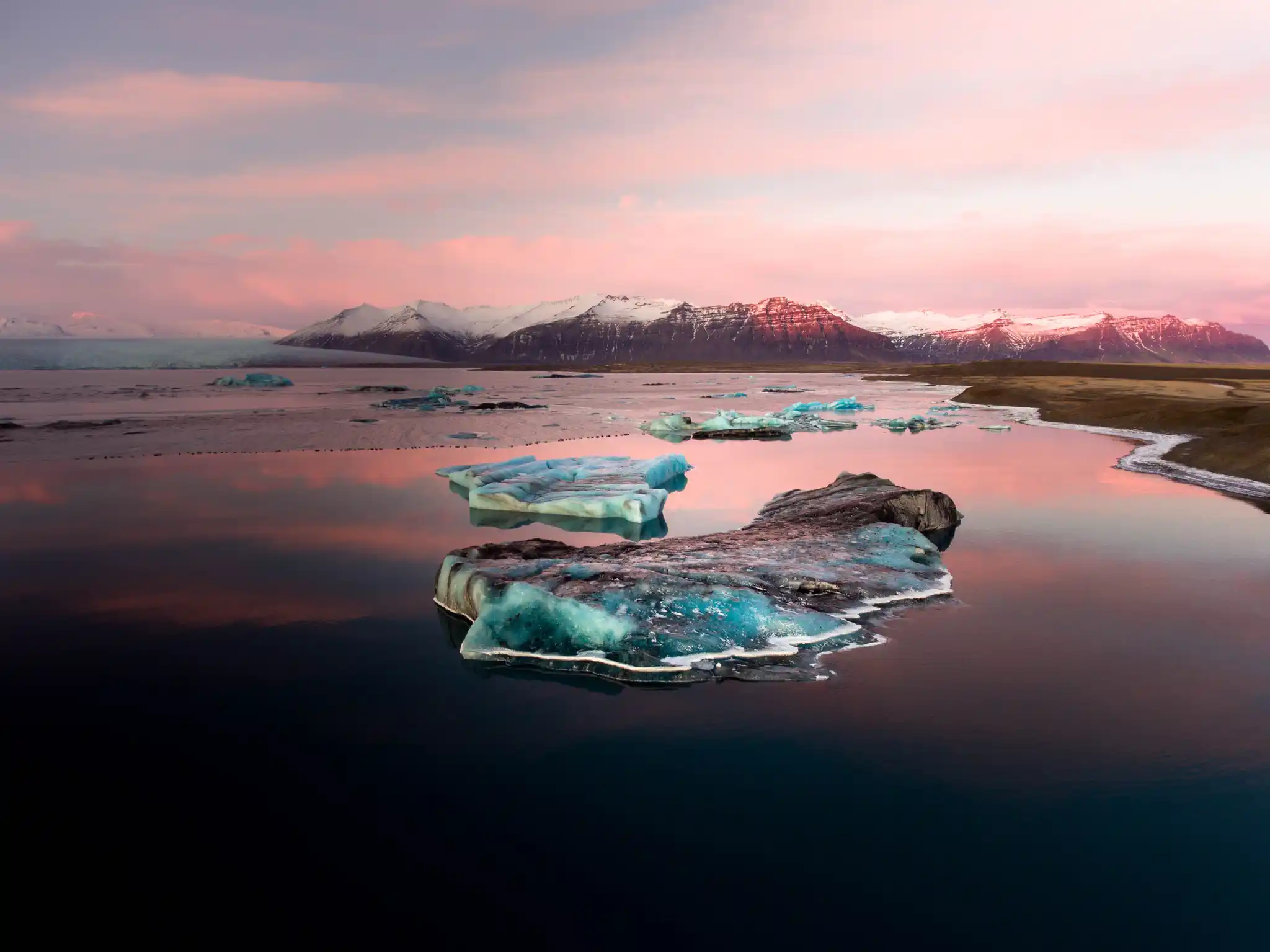
Iceland’s landscapes are shaped by seasonality, weather and access, making expert planning essential. Our destination specialists create tailor-made Iceland safari holidays that unlock the country’s most rewarding experiences, from ice caves and Northern Lights in winter to the remote Highlands and fjords during the short summer season. Every journey is carefully designed with experienced local guides, ensuring safe access to regions that are difficult to reach without specialist knowledge.
Our Iceland journeys start from £10,000 per person, based on a self-drive itinerary for two people. Prices vary depending on travel style, season and level of guiding, with a wide range of premium and privately guided options available. Accommodation is selected for comfort, location and character, ranging from boutique hotels to exceptional luxury lodges, supported throughout by expert guides and trusted local partners.
Iceland is a year-round destination, with each season offering distinct experiences. Winter delivers snow-covered landscapes, ice caves and some of the best Northern Lights viewing conditions, while summer brings long daylight hours under the Midnight Sun, milder weather and access to remote regions. From June to August is the prime period for hiking, kayaking and whale watching, making the best time to visit dependent on the experiences you wish to prioritise.
Accommodation in Iceland ranges from striking design-led hotels to secluded luxury lodges set deep within remote landscapes. We hand-select properties for their setting, atmosphere and quality, including Eleven Deplar Farm, The Reykjavik EDITION, Skálakot Manor Hotel, and The Retreat at Blue Lagoon. Each stay is chosen to provide refined comfort after days of exploration, ensuring a seamless balance between adventure and relaxation.
Iceland is a Nordic island nation located in the North Atlantic Ocean, between Europe and North America. It is known for volcanoes, glaciers, waterfalls, geothermal landscapes, and dramatic coastal scenery.
The best time to visit Iceland depends on your interests. June to August is ideal for summer exploration, hiking, and the midnight sun, while October to March is best for northern lights and winter landscapes.
Yes. Iceland is one of the most accessible places to see the northern lights, particularly from September to March during clear, dark nights away from city lights.
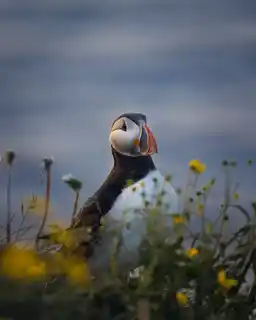
Wildlife in Iceland includes whales, dolphins, seals, Arctic foxes, seabirds, and puffins during summer. There are no native land predators besides the Arctic fox.
Yes. Iceland is one of Europe’s best whale watching destinations, with humpback whales, minke whales, orcas, and dolphins commonly seen around Húsavík, Reykjavík, and the north coast.
Yes. Iceland is one of the safest countries in the world, with low crime and excellent infrastructure. Visitors should follow weather and road advisories, especially in winter.
The midnight sun occurs from late May to late July, when daylight lasts nearly 24 hours, allowing extended sightseeing and outdoor activities.
Pack layered clothing, waterproof and windproof outerwear, sturdy walking shoes, and warm accessories year-round. Weather can change rapidly in all seasons.
Iceland has active volcanoes, but monitoring systems are advanced. When eruptions occur, access is carefully managed to ensure visitor safety.
Iceland promotes sustainable tourism through renewable energy, protected natural areas, visitor limits at key sites, and strong environmental regulations.