
Menu
Mauritania Safari Holidays 2026
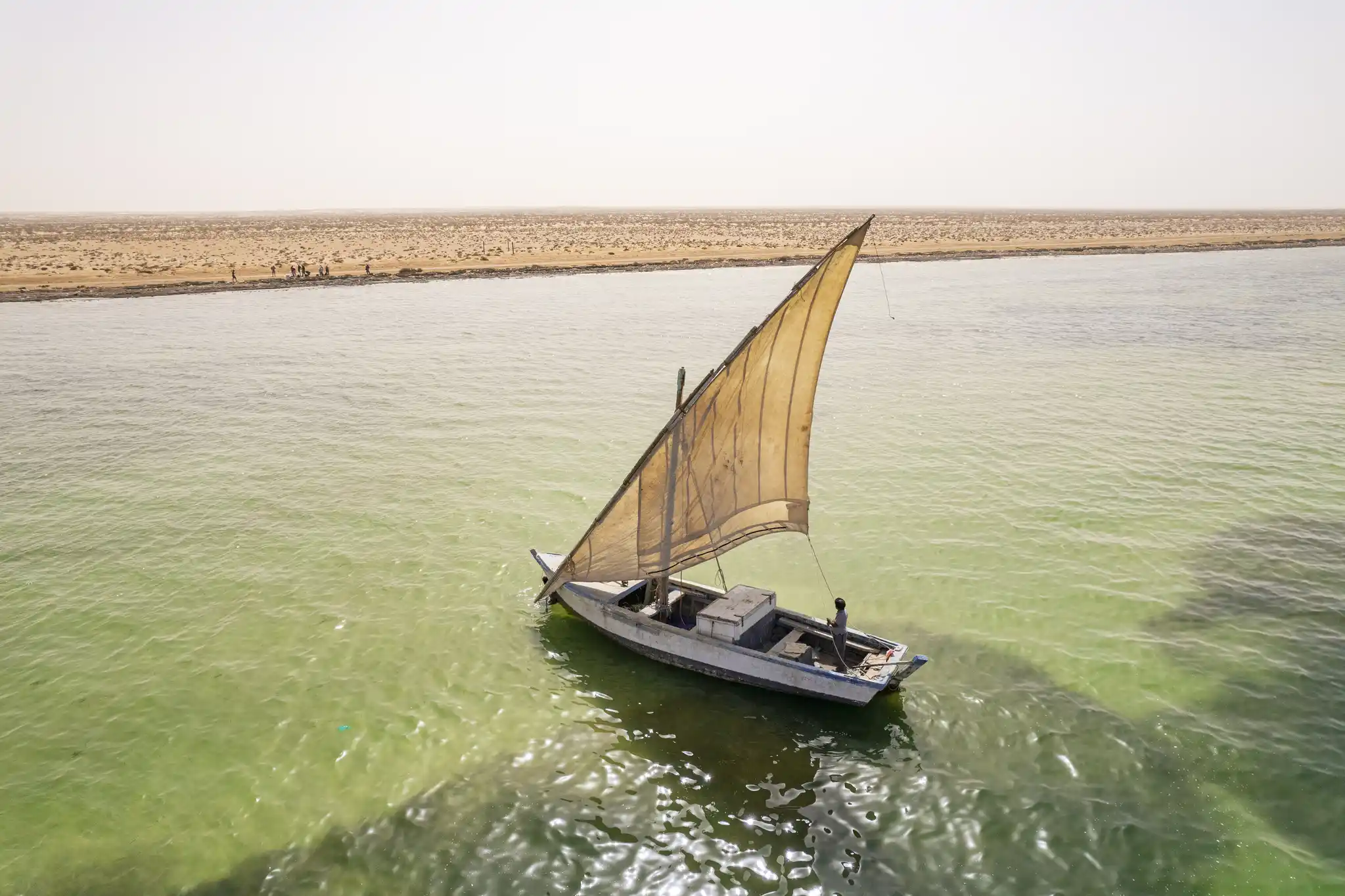
Where the desert meets the ocean. Mauritania is not the first place you think of when you think of desert travel, but it is one of the best. Decades ago it was popular on the French tourist ‘circuit’ but then slowly drifted from popularity. Today, it is having a strong come back.
A cultural destination rather than wildlife focused, Mauritania is all about slow travel, real travel. Starting out in the capital of Nouakchott – a name that even sparks the imagination – we make our way west to the coast where the Sahara reaches the sea and then slowly bivouac our way eastwards across the country. From marine reserves such as Banc D’Arguin, fishing villages, the longest train in the world, granite rock monoliths and ancient desert libraries, Mauritania has a vast amount to explore. Mauritania is all about the journey, not tick boxes, but slow travel, real travel and movement through the desert.
The Mauritania Safari Experience
- Fly Camping and bivouacs through the from coastline to desert
- Hidden Marine reserves protecting marine life off the desert coastline
- The longest train in the world transporting iron ore from the far reaches of the north east out to the coast
- Huge granite rock monoliths towering out of the desert sands
- Ancient civilisations home to the libraries of ancient manuscripts

Contact a Mauritania Safari Specialist Today
Frequently Asked Questions
What is the Richat Structure in Mauritania?
The Richat Structure, also known as the Eye of the Sahara, is a massive circular geological formation in the Mauritanian desert visible from space. Located in the Adrar region, it is one of the Sahara’s most remarkable natural landmarks.
What landscapes can you see in Mauritania?
Mauritania features vast Saharan landscapes including sand dunes, rocky plateaus, desert canyons, and oasis valleys, particularly in the Adrar region.
What is Banc d’Arguin National Park famous for?
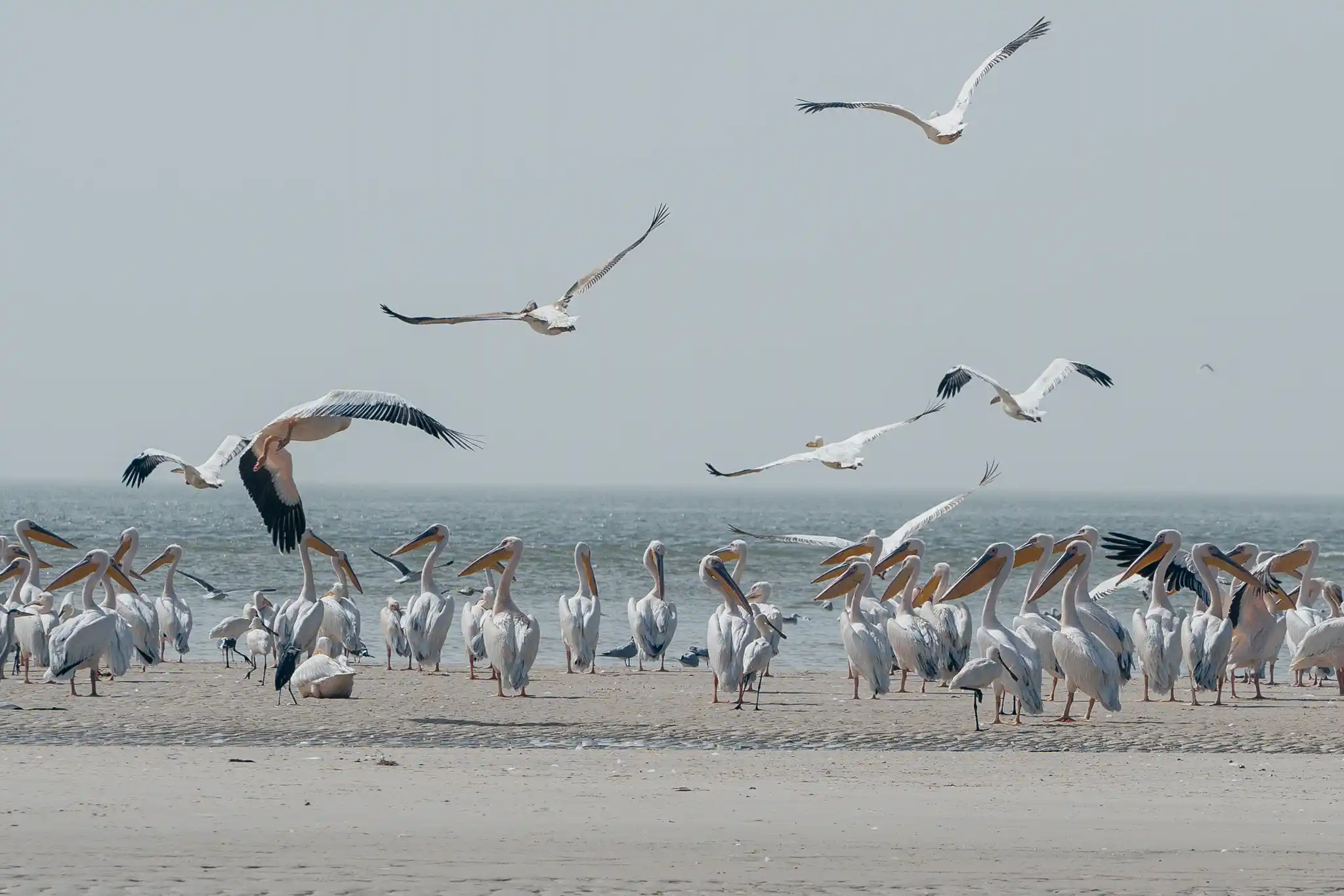
Banc d’Arguin National Park, a UNESCO World Heritage Site on the Atlantic coast, is one of the world’s most important bird sanctuaries and supports millions of migratory birds and marine wildlife.
What wildlife can you see in Mauritania?
Wildlife includes migratory birds, flamingos, dolphins, desert foxes and marine life along the Atlantic coast and wetlands of Banc d’Arguin.
What is the Adrar region of Mauritania?
The Adrar region is a mountainous desert area known for dramatic sandstone formations, ancient caravan routes, and historic desert towns.
What are the ancient desert cities of Mauritania?
Historic towns such as Chinguetti, Ouadane, Tichitt and Oualata are UNESCO-listed settlements that were once major stops on trans-Saharan trade routes.
What is the Mauritania iron ore train?
The Mauritania iron ore train is one of the longest trains in the world, transporting iron ore across the Sahara from mining areas to the Atlantic coast.
When is the best time to visit Mauritania?
The best time to visit Mauritania is during the cooler months from November to February, when desert temperatures are more comfortable for exploration.
Is Mauritania good for desert expeditions?
Mauritania offers authentic Saharan exploration with remote dunes, historic caravan routes, and ancient desert settlements rarely visited by travellers.
What makes Mauritania unique for Sahara travel?
Mauritania combines vast untouched desert landscapes, UNESCO desert towns, the Eye of the Sahara, and coastal wildlife reserves, making it one of the Sahara’s most unusual travel destinations.