

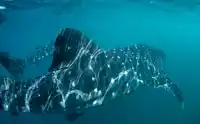
St Helena Whale Shark Safari
Explore St. Helena's remote South Atlantic island, swim with whale sharks, and uncover its volcanic landscapes and intriguing history.
From $7,000 per personSt. Helena is a British Overseas Territory located between Brazil and Africa, known for its unique flora and fauna, volcanic landscape, and as the perfect place to swim alongside whale sharks. The island is accessible by air with regular flights from South Africa and has a population of around 4,500 people.

Our responsible travel and approach ensures a positive impact on the environment and local communities of St Helena. We offer exclusive experiences such as swimming with whale sharks in turquoise waters.
St. Helena offers accommodations like hotels, guesthouses, B&Bs, and apartments. Mantis St Helena is a luxury hotel in Jamestown with sea views, a pool, and a restaurant. Wellington House is a historic guesthouse with restored rooms and a courtyard garden.
Read more about where to stay in St Helena.
The best time to go to St Helena is typically February. St Helena has a tropical climate, but this is heavily influenced by the South East Trade winds which keep the temperature mild and can lead to very changeable weather. The coastal areas are generally hotter and drier than the interior, with temperatures in the coastal capital of Jamestown ranging between 14-32ºC, and the central hill area around 4-6 degrees cooler.
Very good and well-planned itinerary. I had a great time in St Helena and my guides, Anthony and Maria, were great. I enjoyed all my trips around the island and had good interactions with the whale sharks. As for South Africa, I have never seen so many leopards on one trip before! I didn't see a chameleon unfortunately but the leopard overdose made up for that!
St Helena lies in the South Atlantic Ocean between Africa and South America. It’s reached by weekly flights from Johannesburg or Windhoek and occasional cruise or expedition ships.
The best time to visit is October to March for warm weather and excellent diving visibility. June to October brings humpback whales close to shore.
The island is home to hundreds of endemic species, whale sharks, humpback whales, and seabirds like red-billed tropicbirds. Whale sharks gather offshore between December and March.
Yes, diving here offers volcanic reefs, shipwrecks, and encounters with whale sharks in crystal-clear water. Visibility can exceed 30 metres during summer months.
Visit Napoleon’s Tomb, Longwood House, and the Jacob’s Ladder staircase. The island blends fascinating colonial history with modern eco-tourism.
Yes, St Helena makes a superb post-safari add-on for travellers seeking peace, hiking, and diving after time in Africa’s reserves. Flights from Johannesburg make it easily accessible.
Tourism is community-based and low-impact. Initiatives focus on marine protection, native plant restoration, and renewable energy.
Extremely safe. The island has a small, welcoming population and almost no crime. Visitors can walk or drive around freely.
Pack light layers, walking shoes, swimwear, sunscreen, and a light rain jacket. Bring snorkel or dive gear if desired.
Most nationalities can visit visa-free for up to 90 days. Always confirm before travel as entry rules may change.

Remote by Nature
St Helena is one of the most remote inhabited islands on Earth — and a perfect match for travellers seeking something truly different. We specialise in far-flung, wild destinations, and St Helena offers dramatic volcanic landscapes, unique biodiversity, and a sense of isolation that’s increasingly hard to find in modern travel.

Conservation Minded
We work only with trusted local partners who are actively involved in preserving the island’s rare habitats and endemic species. Whether you’re exploring cloud forests home to the St Helena plover or snorkelling with seasonal whale sharks, your journey directly supports conservation and community-led tourism initiatives.

Tailor-Made Exploration
With limited access and infrastructure, travelling to St Helena requires insight and precision — and that’s where we come in. From guided hikes and marine adventures to historic insights and wildlife encounters, we build bespoke itineraries that connect you to the island’s wild heart and untold stories.


