
Menu
Jaguars in Brazil
Best Time & Place to see Jaguars in Brazil
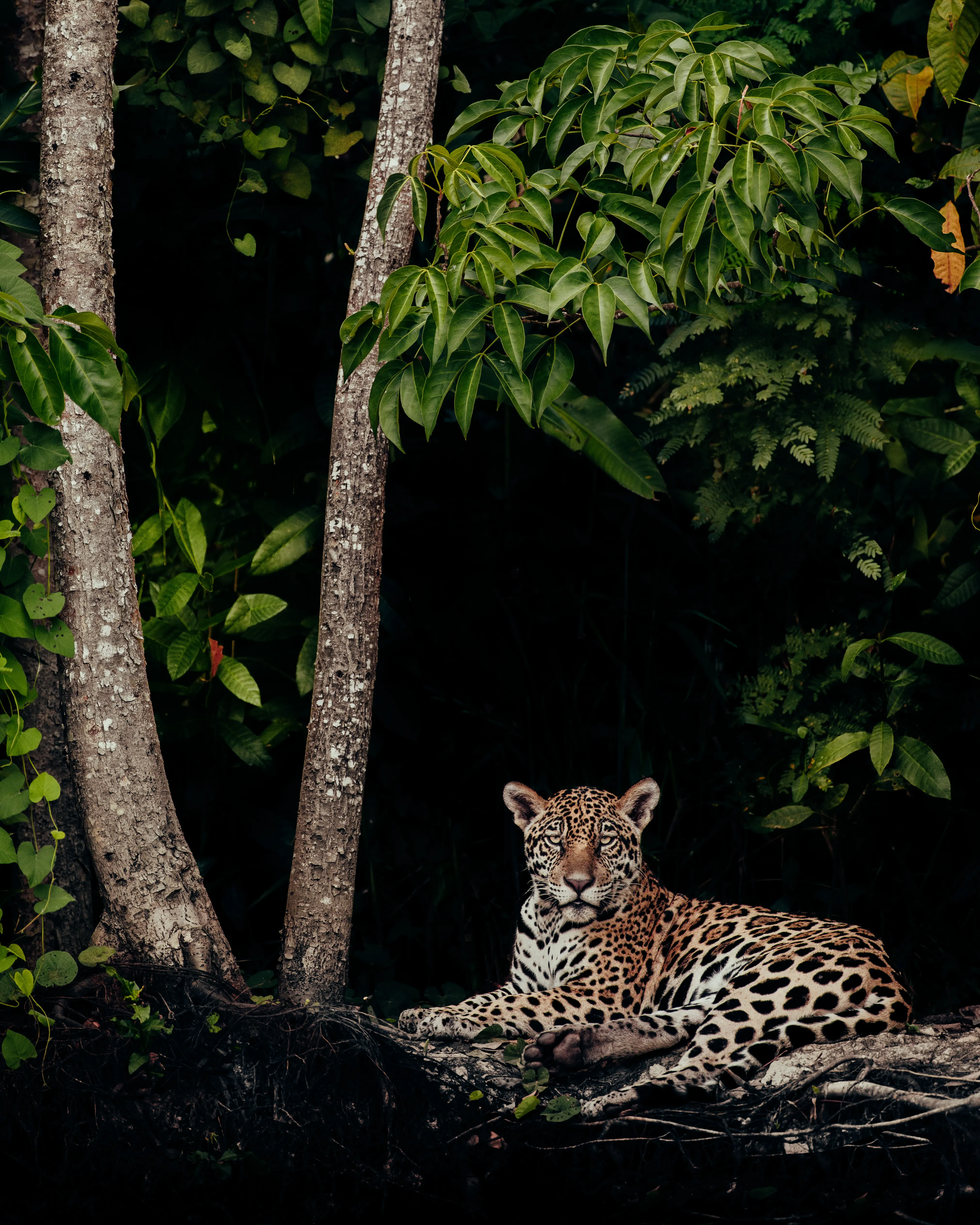
Brazil is one of the few places on Earth where you can reliably see wild jaguars, one of the most elusive of the big cats. These magnificent predators, known locally as onça-pintada, are the largest cats in the Americas and the third largest in the world, after tigers and lions. With their muscular build, golden coats patterned with distinctive rosettes, and piercing amber eyes, jaguars are perfectly adapted to the wetlands and river systems of Brazil’s Pantanal.
Unlike other big cats, jaguars are strong swimmers and often hunt in and around water. Their diet includes caiman, capybara, peccary, and even anacondas. Watching one stalk silently along a riverbank or launch into the water with astonishing power is one of the most thrilling wildlife experiences in South America.
Thanks to Brazil’s extensive conservation work and responsible ecotourism, the Pantanal is now the best place in the world to see jaguars in the wild, with sightings becoming increasingly consistent throughout the dry season.
Best Places to See Jaguars in Brazil
1. The Pantanal
The Pantanal, the world’s largest tropical wetland, is the undisputed stronghold for jaguars. Covering over 140,000 square kilometres across western Brazil, it supports the highest density of wild jaguars anywhere on Earth.
- Northern Pantanal (Porto Jofre): This area, accessible via the Transpantaneira Highway, offers the best chance of sightings. Jaguars are often seen patrolling riverbanks or resting in the shade during the heat of the day.
- Southern Pantanal: A more remote and less-visited region offering a wilder, quieter experience. Though sightings are less predictable, the landscape is breathtaking, with abundant birdlife and other mammals.
2. The Amazon Rainforest
Although jaguars range across the Amazon Basin, sightings are extremely rare due to the dense vegetation. However, regions like the Jaú National Park and Mamirauá Reserve occasionally reward patient travellers with fleeting glimpses of these elusive cats.
3. Cerrado & Caatinga Regions
In Brazil’s drier savannahs, jaguars are more secretive but still present. The Cerrado biome, stretching across central Brazil, offers the chance to combine jaguar tracking with other rare species like giant anteaters and maned wolves.
Top Lodges to See Jaguars

Southwild Jaguar Suites
Nestled within a pristine forest and surrounded by the enchanting sounds of nature, these luxurious suites offer an unrivaled vantage point for observing jaguars in their natural habitat. There are six of these sumptuous floating suites adjoining the Southwild Jaguar Flotel, each featuring its own private en-suite facilities. What truly sets them apart, however, are the floor-to-ceiling windows and private decks that provide guests with breathtaking panoramic views.

Pousada Trijuncao
Pousada Trijunção offers comfort and luxury alongside an intimate integration with nature. Set on the border that divides the states of Minas Gerias, Bahia and Goias, Pousada Trijunção is perfectly situated to embrace the unique landscape of this area: the incredible Cerrado, the Brazilian savannah. This lodge also supports it surroundings with efforts to promote its preservation and protect its inhabitants.
Month-by-Month: When to See Jaguars in Brazil
The height of the wet season. Torrential rains flood much of the Pantanal, turning roads into waterways and limiting accessibility. Jaguar sightings are rare, but birdlife is exceptional and the landscape is brilliantly green.
Still deep in the wet season, with swollen rivers and steamy conditions. Most lodges remain closed, though photographers and naturalists may still visit the Southern Pantanal for its dramatic skies and breeding bird colonies.
The rains begin to ease slightly toward the end of the month. Wildlife becomes more active as the floodwaters slowly recede, but jaguar sightings remain uncommon. This is a transitional period best suited to dedicated travellers.
A shoulder month as the Pantanal starts drying out. The landscape is still lush, and jaguar activity increases around the river edges. Access improves, especially in the Northern Pantanal around Porto Jofre.
The start of the dry season and the beginning of the main jaguar-viewing period. Water levels drop, concentrating prey along the riverbanks. Excellent for early-season sightings and ideal for travellers seeking quieter lodges before peak crowds.
Superb conditions for both photography and wildlife. Jaguars are regularly seen along the Cuiabá and Three Brothers Rivers, basking on sandbanks or stalking caiman. The weather is cooler and drier, perfect for long days on the water.
One of the prime months for jaguar viewing. The Pantanal is dry, access is easy, and sightings are extremely frequent, sometimes several in a single day. It’s also a peak time for other wildlife such as giant otters and hyacinth macaws.
Dry, sunny, and dependable, another excellent month for jaguar safaris. Vegetation is thinner, making cats easier to spot, and river conditions are ideal for boat-based tracking. Advance bookings are essential at this time.
The height of jaguar season. River levels are low, prey is concentrated, and jaguars are at their most visible. Temperatures rise slightly but conditions remain excellent. This is the best month for photography and consistent daily sightings.
Still outstanding for jaguar encounters, though temperatures can be hot and dry. Wildlife viewing remains strong as animals gather near remaining water sources. A great time for fewer crowds toward the end of the main season.
The rains begin to return, bringing relief to the parched wetlands. Jaguars are still seen early in the month but sightings decline as flooding resumes. Good for photographers seeking moody skies and vibrant post-rain colour.
Heavy rains flood much of the Pantanal, marking the start of the wet season. Many lodges close temporarily. Jaguars retreat deeper into the forest, though the wetlands come alive with migratory birds and dramatic thunderstorms.
How to See Jaguars in Brazil
Jaguars are most often seen by boat, cruising the winding rivers of the Pantanal with expert local guides who know each animal’s territory. Early morning and late afternoon excursions offer the best light for photography and the highest activity levels for big cats.
Our Brazil jaguar safaris are conducted responsibly, maintaining distance and ensuring the animals’ natural behaviour is never disturbed. Land-based excursions, on foot or by vehicle, complement river safaris and allow travellers to see other species like tapirs, capybara, and anteaters.
Each Natural World Safaris journey is designed to maximise your time in the field while supporting conservation — a vital contribution to the ongoing protection of Brazil’s jaguar population.

North Pantanal Jaguar Safari
Short Brazil
Jaguars are perhaps the most elusive of all the big cats, with most favouring dense jungle as their habitat. But in the Pantanal – the world’s largest wetland – these majestic felines depend on the waterways for survival, just as the rest of the wildlife does here.

Ultimate Patagonia Puma Tracking Safari
An exclusive tailor-made puma tracking safari in Torres del Paine National Park. Track the big cats in Chile in winter; the best time to see them in the wilderness of Chilean Patagonia, stay in luxurious accommodation too. Based in the exclusive Explora Patagonia lodge, and with breath-taking scenery on your doorstep, even if the puma eludes us, there is still plenty to see in this impressive part of Patagonia.

Brazil's Big 3: Cerrado, Amazon & Pantanal
On this safari you will visit 3 different biomes: the vast Pantanal, mighty Amazon and little-known Cerrado and have a good chance to spot iconic wildlife such as jaguars, maned wolves, giant river otters, tapir and giant anteaters.