• Settings:
  •  
Menu

Pumas in Chile

Where to See Pumas in Chile

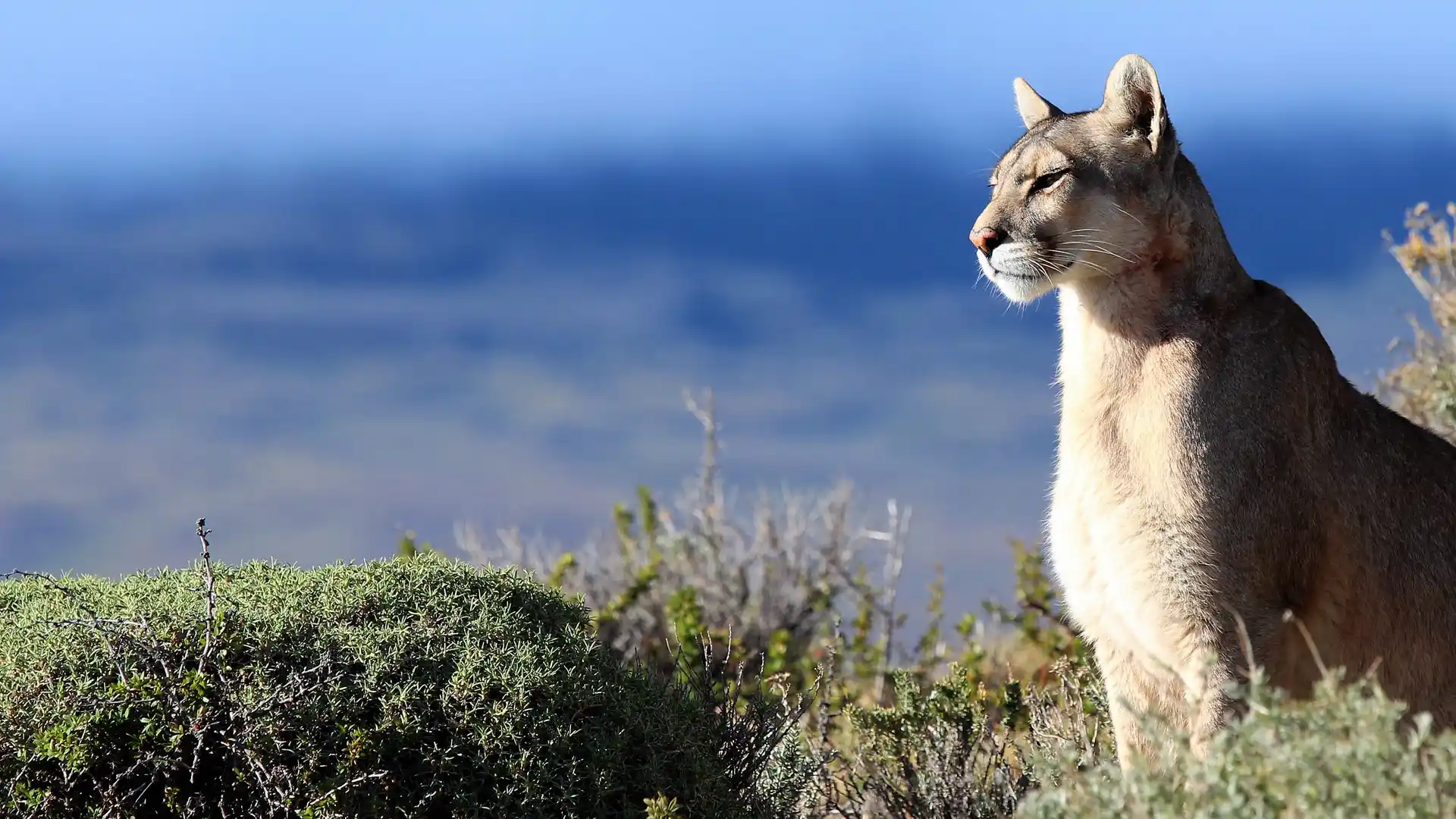
Chile’s wild southern landscapes are one of the last places on Earth where you can reliably track wild pumas (Puma concolor) in their natural habitat. Known locally as león or puma patagónico, these sleek and powerful cats are the apex predators of Patagonia, reigning over the windswept grasslands, glacial valleys, and granite peaks of Torres del Paine National Park.

Elusive by nature, pumas are masters of stealth and patience. They can cover vast territories and blend seamlessly into the rocky terrain, their tawny coats perfectly matching the Patagonian steppe. Watching one emerge from the shadows at dawn or follow a herd of guanacos across the plains is a truly unforgettable experience — the ultimate reward for those willing to brave Patagonia’s raw beauty and unpredictable weather.

Thanks to long-term conservation work and a growing network of responsible wildlife operators, Torres del Paine is now the best place in the world to see wild pumas, with sightings becoming increasingly common throughout the year.

Nws Chile Puma Tristan Whitworth

Best Places to See Pumas in Chile

From the windswept plains of Patagonia to the rugged ridges of Torres del Paine, the best places to see pumas in Chile combine world-class scenery with some of the most reliable big cat sightings anywhere on the planet.

1. Torres del Paine National Park

This UNESCO Biosphere Reserve is the undisputed stronghold for pumas in Chile. The park’s open grasslands and rugged ridges provide ideal conditions for both puma tracking and photography. Guanacos, the puma’s main prey, are abundant, supporting one of the highest densities of wild pumas on the planet.

Most sightings occur in the eastern and southern sections of the park, around the Estancia Laguna Amarga and Sector Río Serrano areas, where experienced trackers lead dawn and dusk excursions.

2. Torres del Paine Private Reserves

Private conservation lands surrounding the park, such as Estancia Cerro Guido and Patagonia Camp Reserve, offer exclusive access to vast tracts of puma habitat. These areas provide the same breathtaking scenery as the national park but with fewer visitors and excellent photographic conditions.

3. Aysén Region

Further north, the wild and remote Aysén region offers opportunities to spot pumas in a less-developed setting. While sightings are less frequent, the solitude and pristine landscapes appeal to travellers seeking a more off-the-beaten-track Patagonian experience.

Month-by-Month: When to See Pumas in Chile


Summer in Patagonia. Long days and excellent visibility make this one of the best months for puma tracking. Warm weather and clear skies attract photographers worldwide.

Still part of the dry, warm season. Pumas are active at dawn and dusk, and guanacos are plentiful across the open steppe.

Peak time for puma viewing as guanaco herds gather and the light softens beautifully for photography. A favourite month for wildlife filmmakers.

Early autumn brings vivid colours, cooler air, and calmer winds. Pumas remain active, and the park is quieter after the high-summer rush.

Transition into winter. Days shorten and temperatures drop, but those visiting now enjoy solitude and crisp, dramatic landscapes.

Snow begins to fall, and access to Torres del Paine can be limited. Puma sightings continue in lower valleys, but conditions are harsh.

Midwinter in Patagonia. Very few visitors, but a starkly beautiful time for the adventurous — snow-dusted peaks and solitude abound.

The end of winter. Occasional snowstorms, but longer days return, and the first signs of guanaco movement herald the coming spring.

Spring arrives. Guanacos begin calving, attracting hungry pumas to hunt — a thrilling time for high-action encounters.

Milder temperatures and wildflowers blanket the steppe. Excellent conditions for tracking with fewer visitors than in high summer.

Prime conditions return, with active pumas, abundant prey, and stable weather. Great for combining tracking with hiking and photography.

The start of Patagonia’s summer. Long days, clear skies, and excellent visibility — one of the best months for dedicated puma safaris.

How to See Pumas in Chile

Puma tracking in Chile is a specialist experience that blends patience, skill, and deep respect for the landscape. Most sightings take place during guided excursions at dawn and dusk, when pumas are most active. Expert trackers and naturalists, many of whom have studied these cats for years, lead guests across open steppe and rocky hillsides in search of fresh signs such as paw prints or guanaco kills.

Unlike other big cat safaris, encounters here are usually on foot, adding a powerful sense of connection to the wild. Watching a puma move silently through the Patagonian wilderness — framed by snow-capped peaks and golden light — is one of the most evocative wildlife moments anywhere in the world.

Natural World Safaris works closely with local conservation initiatives to ensure all puma tracking is ethical, low-impact, and supports the long-term protection of this remarkable predator and its habitat.

Talk to a Latin America Destination Specialist today