• Settings:
  •  
Menu

Tigers in India – Pench

Where to See Bengal Tigers in Pench National Park

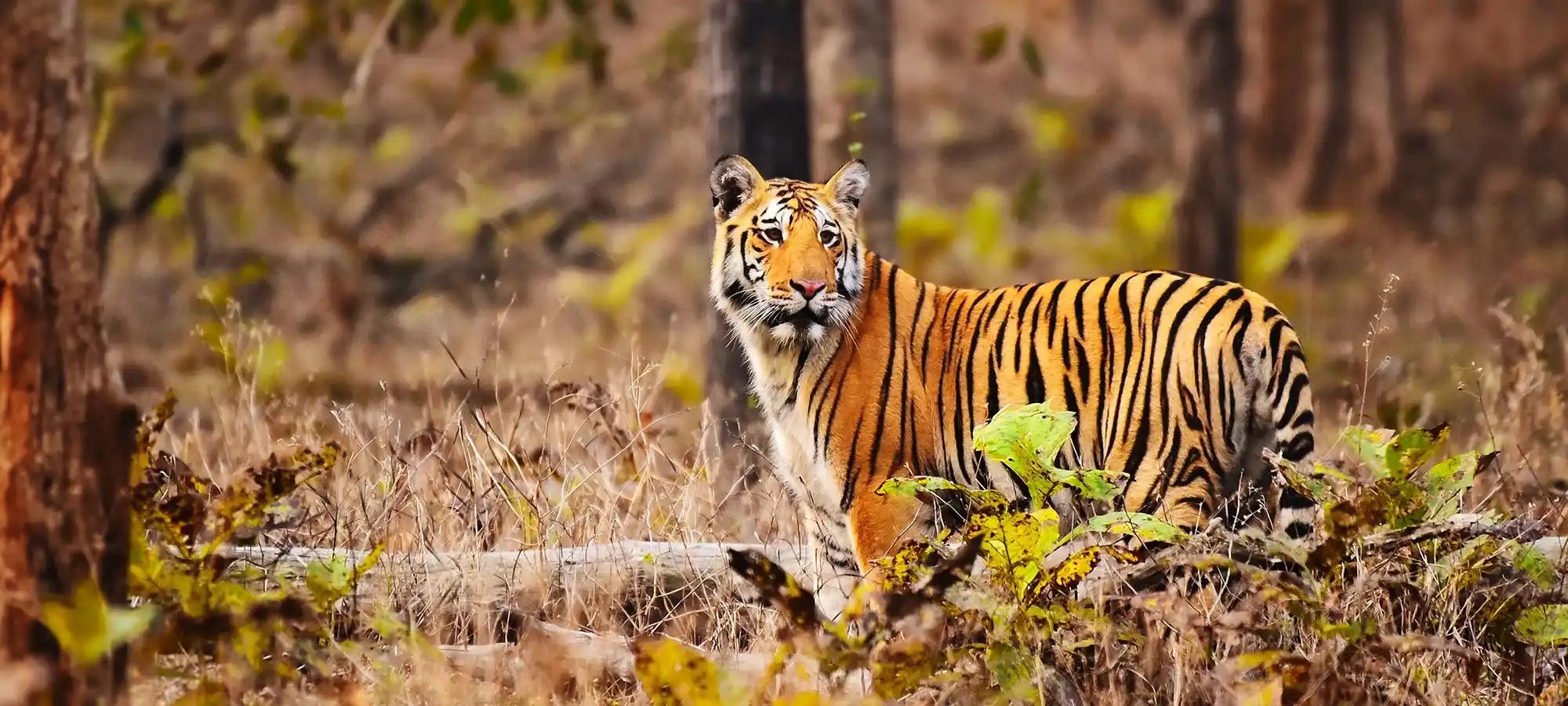
Tigers (Panthera tigris) are the largest of all cats and among the world’s most powerful predators. Solitary and territorial, they rely on stealth and strength to ambush prey, and unlike most big cats, they are accomplished swimmers often found cooling off in water.

Pench National Park, straddling the border between Madhya Pradesh and Maharashtra, is one of India’s most accessible yet rewarding tiger reserves. Its teak and mahua forests, dotted with open meadows and winding rivers, inspired Rudyard Kipling’s The Jungle Book — and it’s easy to see why. The park supports a healthy and growing population of Bengal tigers, alongside leopards, sloth bears, and over 300 bird species.

Pench Park Img6 Jpg

Thanks to successful conservation work under Project Tiger, Pench has become a model of responsible tourism and habitat protection. Today, the park offers one of the best chances to see Bengal tigers in central India, with sightings often complemented by an authentic sense of wilderness and tranquillity.

Best Places to See Bengal Tigers in Pench

The park is divided into several zones, each offering distinctive scenery and reliable wildlife encounters. Turia Gate on the Madhya Pradesh side is the most popular entry point, known for its high density of tigers and frequent sightings near the Pench River and Jamtara grasslands. Karmajhiri Zone offers quieter routes through dense teak forest, ideal for travellers seeking solitude and natural beauty.

Early morning safaris reveal Pench at its most atmospheric — mist drifting across meadows, peacocks calling in the distance, and chital deer alert to every rustle in the undergrowth. Whether you glimpse a tigress leading her cubs through golden grass or a male crossing a forest track, Pench tiger safaris promise both thrilling encounters and moments of stillness in the wild heart of India.

Month-by-Month: When to See Bengal Tigers in Pench


Cool mornings, soft light, and active wildlife make this a great month for safaris. Tigers are often seen walking the main forest tracks or basking near clearings.

Dry conditions and shorter grass improve visibility. It’s one of the best months to see Bengal tigers as they frequent waterholes and riverbeds.

Temperatures rise slightly but remain comfortable. The forest is alive with deer, langurs, and peacocks, and tiger sightings remain consistent.

Peak viewing season. The park grows drier, and tigers can often be seen resting in shade or approaching the last remaining pools.

Hot and dusty, but excellent for photography. Wildlife concentrates around water sources, and tiger encounters are frequent throughout the day.

The final weeks before the monsoon can be outstanding for dedicated travellers. Few visitors, parched landscapes, and concentrated wildlife make for thrilling game drives.

The monsoon begins, bringing heavy rain and a closure of the core zones. The forest rejuvenates, turning deep green.

Still within the monsoon period, and the park remains closed. Wildlife thrives undisturbed while vegetation flourishes.

The rains subside, and Pench reopens gradually. The park is lush, peaceful, and ideal for early-season safaris with fewer tourists.

The forest is fresh and colourful after the rains. Tigers are active and the scenery at its most photogenic, though tall grasses may limit visibility.

Mild temperatures and clear skies return, with excellent light and comfortable conditions for both travel and photography.

Cool and crisp, ideal for safaris. Tigers are often seen in the open as the mornings warm, making this a wonderful time for both wildlife and landscape photography.

How to See Bengal Tigers in Pench National Park

Pench National Park is known for its well-managed safaris and intimate wildlife experiences. Morning and afternoon jeep drives, led by expert naturalists, follow established routes through dense forest, meadows, and river corridors. Each zone offers a different perspective of the park — from open plains where herds graze to shaded ravines where tigers rest.

Thanks to its strong prey base of chital, sambar, nilgai, and wild boar, Pench supports a thriving tiger population. The park’s focus on low-impact tourism and community engagement ensures that every safari is both ethical and enriching. Quiet, well-regulated drives mean travellers can enjoy wildlife encounters in peace, surrounded by the evocative sounds and scents of the Indian jungle.

Contact a Destination Specialist Today