

Wild Westfjords
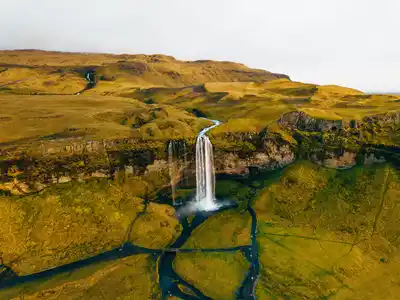
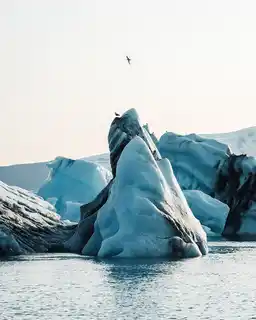
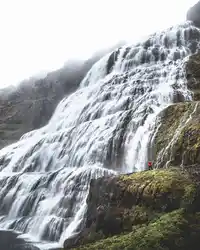
Iceland’s Westfjords are one of the country’s most remote and least-visited regions, defined by vast fjords, towering sea cliffs and a powerful sense of isolation
The best time to visit Iceland depends on the experiences you want to prioritise, as conditions vary significantly throughout the year. Travel is possible year-round, but access, daylight and weather patterns strongly influence what can be seen and done in each season.
Iceland sits just below the Arctic Circle and has a cool, oceanic climate shaped by the North Atlantic and the Gulf Stream. While temperatures are generally milder than many expect, weather conditions can change rapidly at any time of year. Wind, rain and snowfall are common, and seasonal variation is driven less by temperature and more by daylight and accessibility.
Winter brings snow-covered landscapes and limited daylight, while summer offers long days, milder conditions and access to remote regions such as the Highlands. Seasonal demand fluctuates accordingly, with peak travel during the summer months and winter attracting travellers focused on Northern Lights and ice cave exploration. Iceland operates on Greenwich Mean Time (GMT) year-round, with daylight ranging from just a few hours in midwinter to near-continuous light during the height of summer.
Wildlife encounters in Iceland are highly seasonal. From late spring through summer, seabirds return to coastal cliffs, puffins nest in vast colonies, and whales feed in nutrient-rich coastal waters, offering the most reliable viewing conditions. May to August provides the strongest opportunities for wildlife encounters, particularly along the coast and in regions such as the Westfjords and northern fjords. Outside these months, wildlife sightings become more limited, though seals may still be seen year-round and early autumn can offer lingering marine activity before winter conditions take hold.
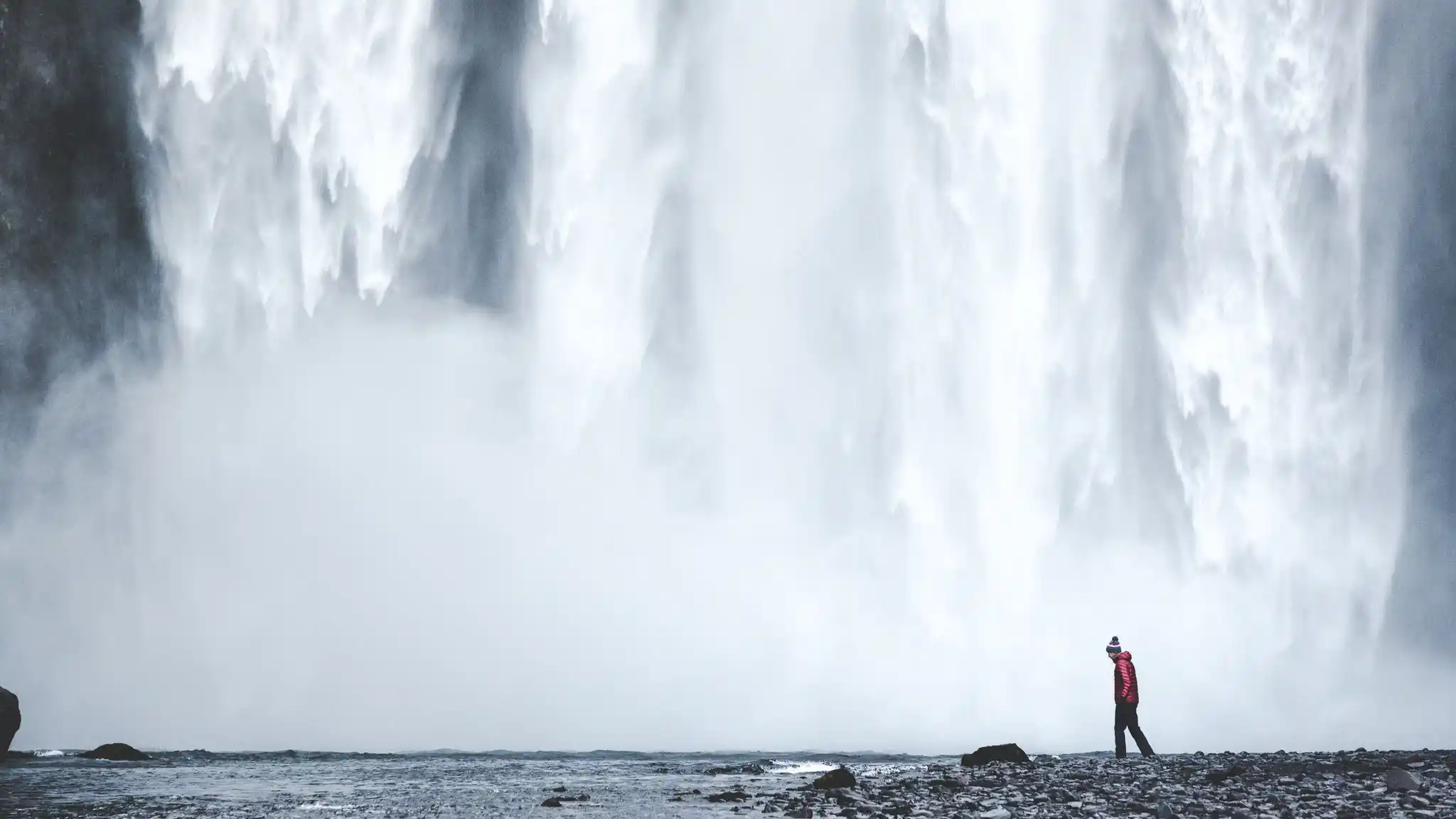
Midwinter brings snow-covered landscapes, frozen waterfalls and long, dark nights. This is one of the best months for viewing the Northern Lights, as darkness is at its peak. Ice caves deep within glaciers are accessible, offering some of Iceland’s most striking natural experiences.
Conditions remain firmly wintry, but daylight slowly begins to return. Clear nights still offer excellent aurora potential, while winter tours continue to access ice caves and dramatic glacial landscapes.
A great month for quieter travel as spring begins to emerge, though weather can be changeable. Snowmelt swells rivers and waterfalls, and landscapes feel raw and powerful. Wildlife activity slowly increases toward the end of the month.
Days lengthen rapidly and conditions become milder. This is a peaceful time to travel before peak summer, with the first seabirds returning to coastal cliffs and whale activity beginning offshore.
The temperature climbs again in May with highs of 35C and lows of 17C and an average of 26C. There is an increased risk of rain in May with an average of 8mm over 27 days but still plenty of sunshine.
May is the last month of reliable numbers of magnificent whale sharks. Snorkel with almost 900 species of fish, including 77 endemic species. This area is also home to 26 species of seabirds.
The arrival of the Midnight Sun brings almost continuous daylight. Roads across the country open fully, including access to more remote regions. Wildlife is abundant, with puffins nesting and whales feeding in surrounding waters.
The warmest and most accessible month of the year. Highland roads are open, making it ideal for interior exploration and adventurous itineraries. Wildlife encounters remain at their peak.
Conditions remain excellent, with slightly shorter days and fewer visitors than July. Wildlife activity continues, and landscapes are lush and vibrant, making it a favourite for photographers and explorers alike.
Early autumn brings softer light and the first darker nights. Highland access may still be possible early in the month, while the Northern Lights can begin to appear toward the end of September.
A true shoulder season, with fewer visitors and dramatic atmospheric conditions. Days shorten quickly, and aurora sightings become more frequent on clear nights, though weather can be unpredictable.
Winter returns in earnest. Ice caves begin to form once conditions allow, and long nights once again provide strong opportunities for aurora viewing. Travel focuses on guided winter experiences
A deeply atmospheric month, with snow-covered landscapes and limited daylight. Clear nights can deliver unforgettable Northern Lights displays, while winter adventures continue under expert guidance.
How to Read the Months Above
While Iceland can be visited throughout the year, daylight, access and seasonal conditions vary dramatically. The months highlighted above reflect how weather, light and accessibility shape experiences on the ground, not simply temperature changes.
The best time for wildlife encounters and wide-ranging exploration in Iceland. Long daylight hours, including the Midnight Sun, allow for extended days on the road and access to regions that are closed for much of the year. Puffins nest along coastal cliffs, whales feed in nutrient-rich waters, and seals are frequently seen along the shoreline. This is also the only reliable window for travelling into the Highlands, where volcanic deserts, geothermal valleys and remote tracks become accessible.
Peak travel demand falls between late June and early August, particularly for popular regions such as the South Coast, Westfjords and interior Highlands. During this period, accommodation and specialist guides can book up well in advance, making early planning strongly recommended.
Winter in Iceland delivers some of the country’s most dramatic and atmospheric experiences, though travel is more weather-dependent. Long, dark nights create ideal conditions for Northern Lights viewing, while sustained cold allows ice caves to form deep within glaciers. Guided glacier hikes and winter road journeys reveal frozen waterfalls, snow-covered plains and striking Arctic scenery.
Wildlife encounters are more limited during winter, with seabirds largely absent, though seals may still be seen along the coast. Short daylight hours and variable conditions mean flexibility is essential, but this quieter season offers fewer visitors, lower demand in some regions and a powerful sense of isolation across Iceland’s winter landscapes.
Iceland’s Westfjords are one of the country’s most remote and least-visited regions, defined by vast fjords, towering sea cliffs and a powerful sense of isolation
| Jan | Feb | Mar | Apr | May | Jun | Jul | Aug | Sep | Oct | Nov | Dec | |
|---|---|---|---|---|---|---|---|---|---|---|---|---|
 AVG. TEMP AVG. TEMP | -1°C | -1°C | 0°C | 3°C | 6°C | 10°C | 12°C | 11°C | 8°C | 4°C | 1°C | -1°C |
 RAINFALL RAINFALL | 131mm | 129mm | 122mm | 99mm | 90mm | 76mm | 85mm | 102mm | 132mm | 118mm | 120mm | 133mm |
Wildlife viewing in Iceland is highly seasonal, with the most reliable encounters taking place between late spring and summer. From May to August, puffins nest along coastal cliffs, whales feed close to shore, and seals are frequently spotted resting on beaches and skerries. Outside these months, wildlife sightings become less predictable, though seals may still be seen year-round and early autumn can offer lingering whale activity before winter conditions set in.
Winter conditions between November and March create the best opportunities for glacier travel and ice cave exploration. Stable cold temperatures allow natural ice caves to form deep within glaciers, offering some of Iceland’s most striking experiences. While daylight hours are limited and travel is more weather-dependent, winter delivers dramatic frozen landscapes and the strongest chances of witnessing the Northern Lights under clear, dark skies.
Access to Iceland’s interior Highlands is strictly seasonal. Snowmelt and road conditions mean most highland routes only open between late June and early September. During this short window, travellers can explore volcanic deserts, geothermal valleys and remote plateaus inaccessible for much of the year. Outside the summer months, these regions are largely closed, shifting travel focus toward coastal areas and guided winter experiences.
Daylight and seasonality play a major role in shaping the overall Iceland experience. Summer’s long days and Midnight Sun allow for extended exploration and flexible itineraries, but this period also coincides with peak visitor numbers and higher prices. Winter and shoulder seasons offer fewer crowds and a more atmospheric sense of isolation, particularly in remote regions, though travel requires greater flexibility due to weather and limited daylight. Choosing the right season ultimately balances access, conditions and the style of experience you want to prioritise.