
Menu
The Best Time to Visit Mauritania
The best time to visit Mauritania is during the cooler, drier months between November and April, when temperatures are more comfortable and travel conditions are at their most favourable for desert exploration, cultural touring, and coastal wildlife experiences.
Mauritania Climate
Mauritania is largely defined by its Saharan desert climate, with vast arid landscapes, minimal rainfall, and significant temperature variation between seasons. Daytime temperatures can be intense, particularly outside of winter, while evenings and nights in the desert can be surprisingly cool.
During the winter months, conditions are far more manageable, with clear skies and lower humidity. As temperatures rise later in the year, strong desert winds can develop, occasionally bringing sandstorms, particularly in exposed regions. Rainfall is limited and largely confined to a short summer season, though when it does arrive it can be heavy and disruptive.
Mauritania operates on Greenwich Mean Time (GMT), with daylight hours generally running from around 06:30 to 18:30, varying slightly by season.
If You Want to Experience the Sahara Desert
The ideal time for desert travel in Mauritania is between November and March. During these months, daytime temperatures are warm rather than extreme, making activities such as overland journeys, trekking, and camping near desert landmarks far more comfortable.
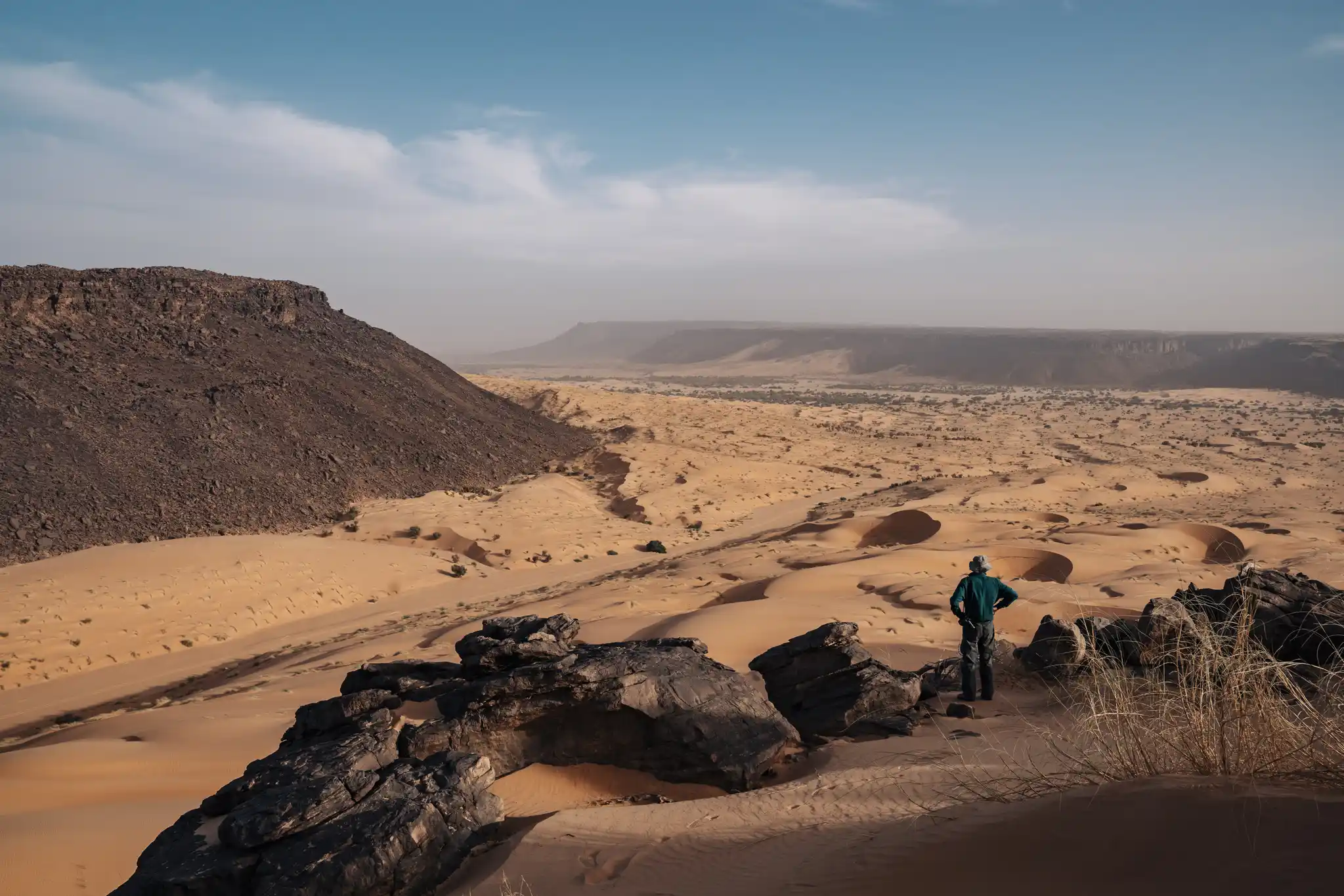
Clear skies, cooler nights, and calmer conditions offer excellent opportunities for stargazing, photography, and immersive desert experiences, particularly around iconic sites such as Ben Amera and the ancient caravan towns.

Contact a Mauritania Safari Specialist Today
The Best Time to Visit Mauritania
January is one of the coolest and most comfortable months to visit Mauritania. Daytime temperatures are mild, while evenings in the desert can be cool, particularly in open Saharan regions. These conditions are ideal for desert crossings, cultural exploration, and camping near landmarks such as Ben Amera. Clear skies also make this an excellent month for night skies and photography.
February continues to offer dry, stable weather with low humidity and excellent visibility. Desert travel remains highly enjoyable, and historic towns such as Chinguetti and Ouadane can be explored comfortably on foot. This is a strong month for travellers seeking immersive overland experiences without the intensity of heat.
Temperatures begin to rise gradually in March, but conditions are still favourable for travel across much of the country. Days are warmer, yet not extreme, making it a good time for desert exploration, visiting remote regions, and coastal wildlife experiences along the Atlantic. Winds remain relatively low, keeping travel conditions stable.
April marks the transition toward hotter conditions. While still dry, daytime temperatures increase, especially inland and in the Sahara. Early April remains a good window for travel, but activities are best planned for mornings and late afternoons. This is often considered the final strong month before peak summer heat sets in.
By May, heat becomes a dominant factor in Mauritania’s climate. Temperatures frequently exceed 40°C in desert areas, and strong winds can begin to develop, increasing the likelihood of sandstorms. Travel is possible but demanding, and this period is generally better suited to experienced desert travellers.
June is one of the hottest months of the year, with extreme daytime temperatures and very dry conditions. Prolonged exposure in desert regions can be uncomfortable and potentially unsafe. As a result, June is not recommended for most travellers, particularly those planning extensive overland journeys.
July signals the start of Mauritania’s short rainy season. While rainfall is irregular, heavy downpours can occur, particularly in southern areas, leading to flooding and challenging road conditions. Combined with intense heat and humidity, this makes July a difficult time for travel.
August continues the rainy season, with persistent heat and occasional storms. Access to remote desert areas can be limited, and travel plans may be disrupted by weather conditions. Wildlife and cultural experiences are less predictable during this period.
Rainfall begins to taper off in September, though temperatures remain high. Conditions gradually improve as the month progresses, making it a transitional period. Late September can offer early signs of the approaching dry season, though travel is still best approached with flexibility.
October marks the return of drier weather across much of Mauritania. While still warm, conditions are noticeably improving, and travel becomes more comfortable. This shoulder season can be appealing for those looking to avoid peak travel months while benefiting from improving desert conditions.
November is one of the best months to visit Mauritania. Cooler temperatures, dry weather, and calmer winds create ideal conditions for desert travel, cultural exploration, and coastal wildlife experiences. This month signals the start of the prime travel season.
December offers excellent travel conditions, with cooler days, clear skies, and crisp desert nights. It is an ideal time for desert camping, stargazing, and visiting historic caravan towns. As a peak travel month, advance planning is recommended.
What to Do, When in Mauritania
Visit Banc d’Arguin National Park – November to March
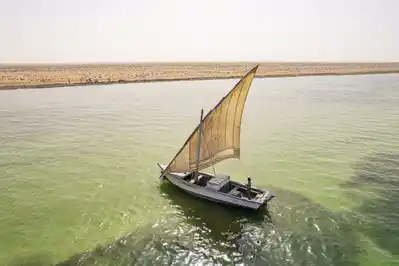
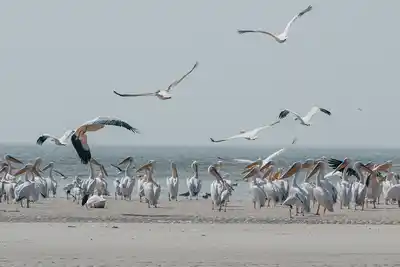
Explore one of West Africa’s most important marine and coastal ecosystems during the cooler months, when migratory birds are present and conditions are best for wildlife viewing and coastal exploration.
Witness the Mauritania Iron Ore Train – November to April
The cooler season offers the most comfortable conditions to experience this extraordinary desert phenomenon, whether observing or photographing the train as it crosses the vast Saharan landscape.
Explore Ancient Caravan Towns – November to March
Visit historic settlements such as Chinguetti and Ouadane, once vital centres of trade and scholarship along trans-Saharan routes. Cooler temperatures make walking through these stone-built towns far more enjoyable.
Desert Camping and Stargazing – December to February
Winter nights provide clear skies and cooler temperatures, ideal for camping beneath the stars near dramatic desert landmarks such as Ben Amera, Africa’s largest monolith.