• Settings:
  •  

Kruger National Park

Scroll

Kruger National Park

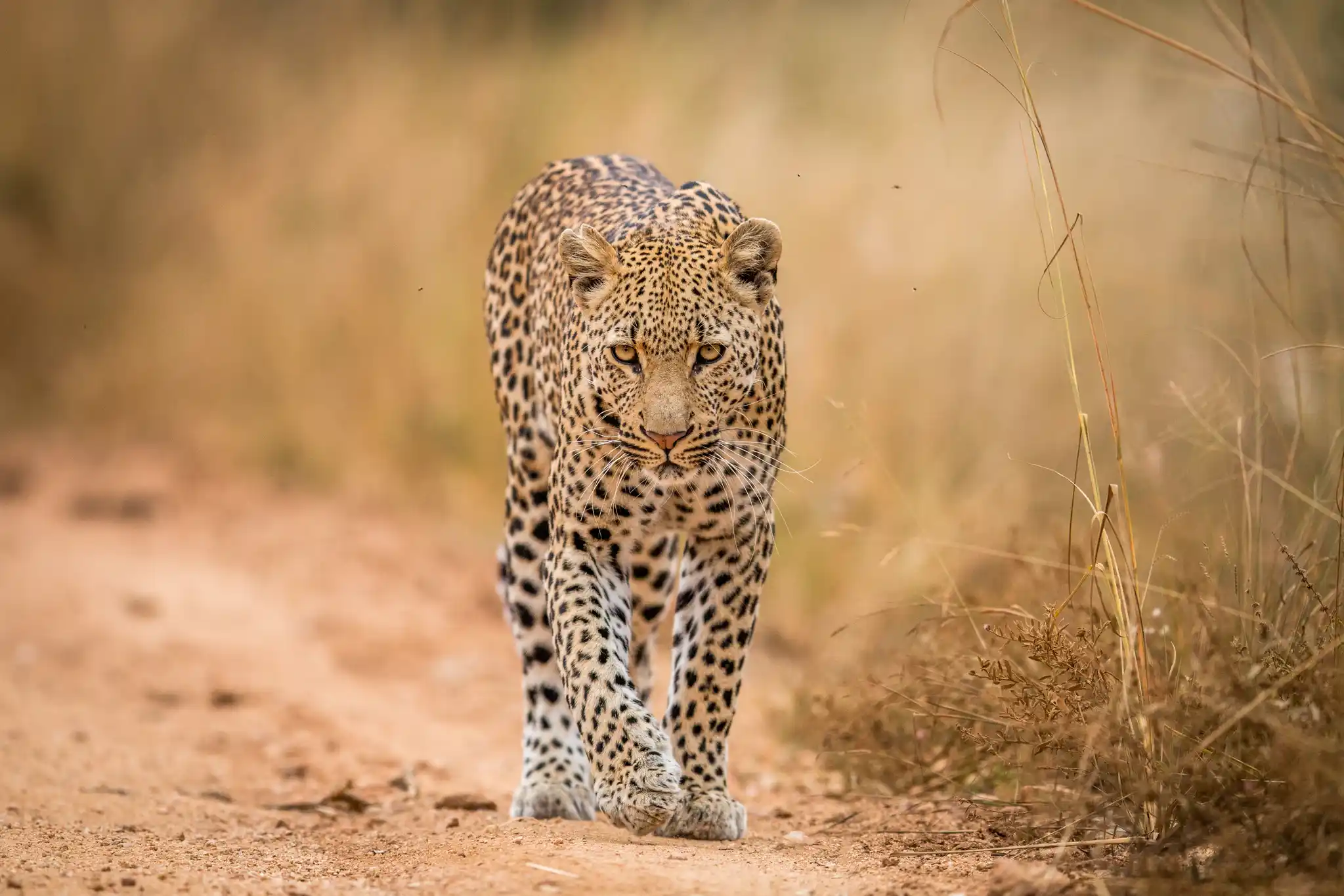
CAT St South Africa Kruger National Park Leopard Shutterstock Simon Eeman
Menu

Kruger National Park

Where Is Kruger National Park?

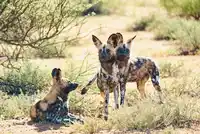
Kruger National Park sits in the far northeast of South Africa, in Limpopo and Mpumalanga, along the border with Mozambique. It covers close to two million hectares, stretching roughly 350 kilometres from north to south, and is one of the largest game reserves in Africa. It is home to the Big Five (lion, leopard, elephant, buffalo and rhino) as well as cheetah, wild dog, giraffe, hippo and more than 140 other mammal species.

Kruger Quick Facts

  • Size: nearly 2 million hectares
  • Wildlife: the Big Five, plus cheetah, wild dog, hippo, giraffe and zebra
  • Birds: more than 500 species recorded
  • Best for game viewing: May to September, the dry season
  • Next door: the Sabi Sands and Timbavati private reserves share an unfenced boundary with the park

Best Time to Visit Kruger

Kruger can be visited all year, but the dry winter months of May to September are best for game viewing. The bush is thinner, water is scarce and animals gather at rivers and waterholes. Days are mild and clear, and early mornings are cold, so pack layers for game drives.

Summer: Green Season

From November to March the park turns green and hot, with afternoon thunderstorms. Wildlife is harder to spot in the thick bush, but it is the time for birdlife and newborn animals. Kruger is in a malaria area, so take medical advice before you travel.
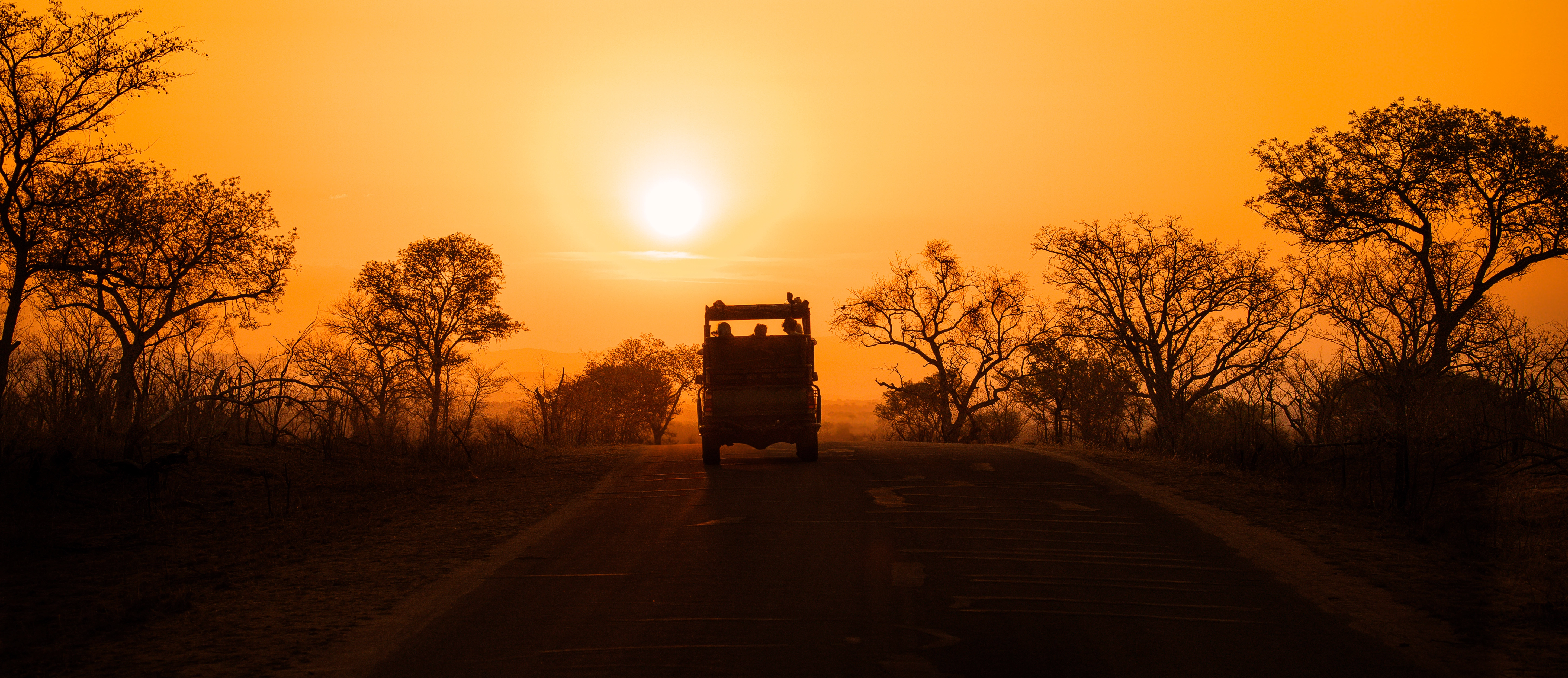
SAF St South Africa Kruger National Park Shutterstock Jane Rix

Where to Go in Kruger

Southern Kruger

The south is the busiest and most accessible part of the park, around Skukuza, Lower Sabie and Crocodile Bridge. It has the densest wildlife, including large numbers of lion, leopard and rhino, and the Sabie and Crocodile rivers are good for hippo and elephant.

Central Kruger

Around Satara and Olifants, open grassland attracts large herds of zebra, wildebeest and buffalo, and with them lions and cheetah. It is one of the best areas for predator sightings.

Northern Kruger

North of the Olifants River, around Letaba, Shingwedzi and Punda Maria, the park is wilder and far quieter. Baobabs, big elephant herds and exceptional birdlife make it a good choice for travellers who want space.

Wildlife in Kruger

Kruger is one of the best places in Africa to see all of the Big Five in one trip. Lion and elephant are widespread, buffalo move in large herds, and white rhino are regularly seen in the south, although rhino numbers have been hit hard by poaching. Leopard are present throughout but secretive. Wild dog, cheetah, spotted hyena and hippo add to the variety, and the birdlife is outstanding.

Game drives in the national park are on the public road network, with set gates and hours. Many travellers combine Kruger with a stay in a private reserve for a more intimate experience.

Kruger and the Private Reserves

Along the western edge of Kruger, reserves such as Sabi Sands and Timbavati share an unfenced boundary with the park, so animals move freely between them. Staying in a private reserve means guided game drives in open vehicles, off-road tracking and night drives, none of which are permitted in the national park. It is the most popular way to experience the Greater Kruger area and often the best route to reliable leopard sightings.

For help choosing where to stay, see our guide to where to stay in South Africa, or explore where to go in South Africa and our wider South Africa safaris.

Kruger National Park FAQs

When is the best time to visit Kruger National Park?

May to September is best for game viewing. It is dry, the vegetation is thin and animals gather around water. November to March is hot and green, with good birding and newborn animals.

What animals can you see in Kruger?

All of the Big Five (lion, leopard, elephant, buffalo and rhino), plus cheetah, wild dog, hippo, giraffe, zebra and more than 500 bird species.

How big is Kruger National Park?

Kruger covers close to two million hectares and stretches roughly 350 kilometres from north to south.

Where is Kruger National Park?

In the northeast of South Africa, in Limpopo and Mpumalanga, along the border with Mozambique.

Is Kruger a malaria area?

Yes. Take medical advice before you travel. The risk is lower in the dry winter months.
Is it better to stay in Kruger or a private reserve?

The national park is good value and ideal for self-drive. Private reserves on the western boundary, such as Sabi Sands and Timbavati, offer off-road drives, night drives and expert trackers, which is why many travellers choose them.