


Birds, Bears & Belugas
A specialist-led safari in the Arctic North taking in the variety of wildlife that inhabits this remote wilderness; from the majestic King of the Arctic - the polar bear - to the unique-looking beluga whale and more.
The far northern reaches of Canada are a true wilderness of pristine icy expanses and rugged landscapes, with very little human presence. Home to over 65% of the world’s polar bears and an abundance of polar wildlife specially adapted for life in the extreme cold, migrating beluga whales, and narwhals - the ‘unicorns of the sea’. Caribou, wolves, moose and arctic foxes also roam the tundra plus bird life such as snowy owls, eider ducks, kittiwakes and more.
A specialist-led safari in the Arctic North taking in the variety of wildlife that inhabits this remote wilderness; from the majestic King of the Arctic - the polar bear - to the unique-looking beluga whale and more.

A 7-day fly-in safari for polar bear viewing at Dymond Lake Lodge.

Sail the fabled Northwest Passage aboard the beautiful Greg Mortimer on this 17-day safari.

Typically, expect to budget around $9,500 per person for a 7 day safari to stay in a remote lodge, this includes charter flights from Winnipeg to Churchill and from Churchill to your lodge and back. To camp on the ice floes around Baffin Island, expect to budget $23,000 per person for a 8 day narwhal and polar bear safari. For a truly in-depth 17 day experience onboard the Sylvia Earle across the Northwest Passage, expect to budget $17,500 excluding national flights.
The best time to see the polar bears in Arctic Canada is between October and November, as they wait on the tundra for the “Big Freeze”, ready to begin the seal-hunting season; you are also likely to see the northern lights at this time. For other wildlife, typically the best time to visit is May through September. Read more about when to go to Arctic Canada.
As Canada’s last frontier and remote wilderness, the accommodation options in the area are not extensive, and the geographical isolation means that resources and provisions are more limited. Accessible only by scenic flights, we only use lodges that place you right in the center of the polar bear action. Despite the lodges being relatively basic, they are all clean, comfortable rooms and extremely cosy - perfect to enjoy hot food and warm beds that you need after a day of exploration on the tundra.
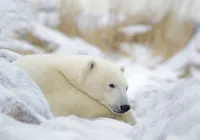
Where is the best place to see polar bears? Many people refer to Churchill as “The Polar Bear Capital of the World” such is the abundance of bears in the area.
The Great Bear Safari was once in a lifetime trip. Diamond Lake Lodge was located extremely remotely and our group was immersed into climates I would never survive on my own. The guides were knowledgeable and had a nightly presentation on polar bears and their habitat. The morning and afternoon hikes were challenging and guided by 3 guides keeping us safe knew where to get great viewing of the Polar Bears without stressing them and keeping us safe. We even did a 3 hours track on the lake and came across a bear.
The lodes were comfortable and staff was accommodating and food delicious and hearty.
If you are planning to go to Churchill to track Polar Bear this is the company and trip you should take . Everything was well thought out and not one hiccup.
One rememberable trip. Even got to see the Northern Lights...what a great universe we live in.
Overall a fabulous trip, well organised and the guides were amazing, safe and knowledgeable
The trip aboard the Greg Mortimer was beyond our expectations! The ship crew and expedition crew were welcoming, upbear, and very knowledgeable. We enjoyed the kayaking which was well-led by the kayak team and took us 'into the outback' where the scenery was stunning. We saw polar bears on the second day at sea which was awesome. We also had an insight into Inuit culture and their lives on the edge. We highly recommend this trip!
My destination specialist was very helpful and answered any questions rapidly and concisely. The overall trip was great and I saw some incredible wildlife!
We had an amazing time on this trip and received excellent service from Gemma and the team.
The journey was very well organised with well briefed staff at every stage. If one had a problem it was quickly overcome. Our leaders were very knowledgeable and ensured everything went like clockwork.
Arctic Canada refers to the northern regions of Canada above the Arctic Circle, including Manitoba, Nunavut, Northwest Territories, Yukon, and Arctic coastlines. It is known for polar bears, tundra landscapes, Inuit culture, and extreme seasonal light.
Churchill, Manitoba is the best place in the world to see polar bears on land. Bears gather there each autumn as they wait for Hudson Bay to freeze, making sightings highly reliable.
The best time depends on your goal: October–November for polar bears, February–March for northern lights and dog sledding, and July–August for tundra wildlife and summer expeditions.
Yes. Arctic Canada is one of the best places globally to see the northern lights, particularly in Churchill, Yellowknife, and Nunavut, from September to April.
Wildlife includes polar bears, Arctic foxes, wolves, musk oxen, beluga whales, narwhals, seals, caribou, and migratory birds depending on region and season.
Yes. Arctic Canada is safe when visited with experienced local guides. Travel is usually guided due to weather, remoteness, and wildlife, particularly polar bears.
Churchill is known as the Polar Bear Capital of the World, as well as for beluga whales in summer and exceptional northern lights displays in winter.
Visitors can experience Inuit culture through guided community visits, traditional knowledge sharing, Arctic cuisine, and storytelling led by local residents.
Pack insulated layers, windproof outerwear, thermal base layers, waterproof boots, gloves, hat, and camera protection. Temperatures vary widely by season.
Tourism supports Indigenous-led conservation, wildlife research, and community employment, while strict regulations protect fragile Arctic ecosystems.
Wildlife Specialists
Whether spotting polar bears on the tundra, belugas in the bays, or narwhals threading through the sea ice, our Arctic Canada safaris are built around extraordinary wildlife encounters. We work with expert naturalists and Inuit guides to ensure you are in the right place at the right time for rare and intimate moments in nature.

Wealth of Experience
We’ve been exploring the Canadian Arctic for years, forging close partnerships with local communities and specialist guides. From navigating the floe edge to spotting polar bears or beluga whales, our team draws on deep knowledge to craft seamless journeys in one of the most remote and awe-inspiring regions on Earth.

Tailor-Made Safaris
Every journey to Arctic Canada is carefully crafted around your interests. From seasonal wildlife migrations to cultural encounters and off-grid adventure, we work with trusted local partners to design bespoke safaris that offer privileged access to one of the world’s last true wildernesses.


