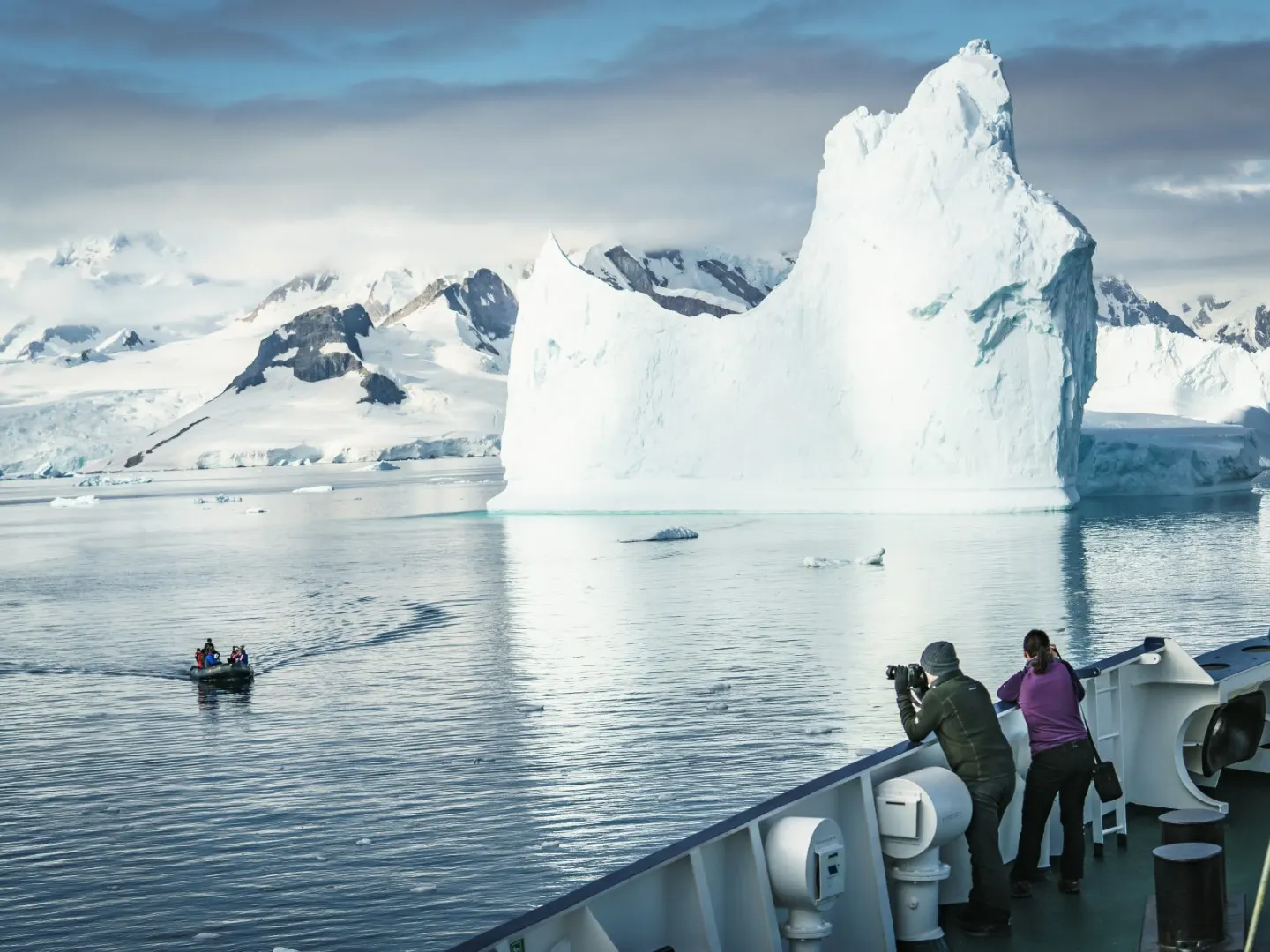
Why South Georgia Should Be on Your Bucket List
Incredible Wildlife Encounters
South Georgia is home to one of the most diverse and abundant wildlife populations on the planet. Visitors can observe:
- King Penguin Colonies: The island boasts some of the largest colonies of King Penguins, with thousands of birds gathering at locations such as Salisbury Plain.
- Albatross and Seabirds: Prion Island offers a rare chance to witness the breeding efforts of the magnificent wandering albatross. The island also hosts populations of petrels and other seabirds.
- Marine Mammals: South Georgia’s coastlines are frequented by elephant seals, fur seals, and leopard seals. The sight of these massive creatures lounging on the beaches is a truly unforgettable experience. Explore more of Antartica’s unique wildlife
Historical Significance
South Georgia has a rich history that dates back to its discovery by European explorers in 1675. The first recorded landing took place in 1775 when British explorer James Cook set foot on the island. At Grytviken, an abandoned whaling station, visitors can explore the Whaling History Museum and pay their respects at the grave of the legendary explorer Sir Ernest Shackleton.
Adventure Activities
South Georgia offers incredible opportunities for those seeking an active adventure. For the ultimate challenge, follow in the footsteps of Shackleton by embarking on a ski trek across the island, covering a total distance of 40 kilometres. Traverse alpine passes and glaciers, all while taking in the awe-inspiring views of this frozen wilderness.
Unique Fauna
Although the island has no native land mammals, various species have been introduced over the years, including reindeer and rodents. The island’s introduced reindeer population, once brought by Norwegian whalers, can often be seen grazing in areas like Fortuna Bay.
Quick Facts About South Georgia
- Size: 4,000 km² of stunning wilderness
- Wildlife: Home to large colonies of birds, including King Penguins, albatross, petrels, and various species of seals.
- History: Discovered in 1675 and first landed on in 1775
- Accessibility: Only reachable by boat, with a two-day journey from the Falkland Islands